Pet Pic Portraits · Editorial
Portraits of the Quietly Significant · No. III
Cat Portrait Styles — a curated style guide.
Editorial · 8 min read · Mercy, Fur Baby Mama
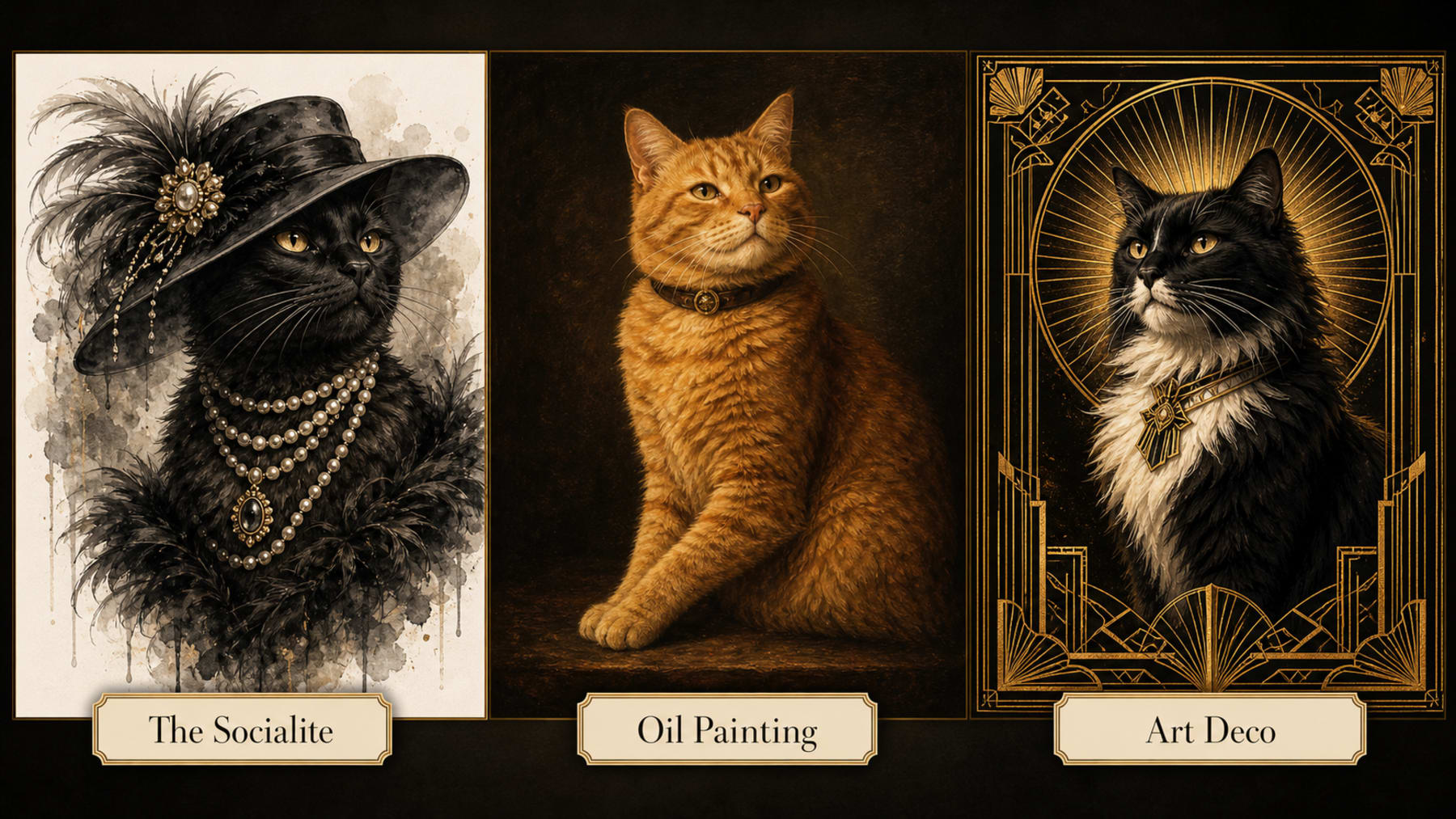
Plate I. Classical Oil, Renaissance, Watercolor. Three registers; one subject. Rendered by Pet Pic Portraits.
The cat does not change between portraits.
She is who she is — the specific weight of her attention, the particular way she regards you from the top of the wardrobe, the expression she wears when she has decided something about you and is not yet ready to share it. None of that changes from one style to the next. What changes is the register. And the register changes everything else: what the portrait is for, where it lives, what it asks from the room it hangs in, what it says about the person who commissioned it.
A classical oil portrait in the Old Masters tradition is a document of gravity. A watercolor is a document of atmosphere. A Pop Art print is a document of affection worn without apology. All of them are portraits of the same cat. None of them are interchangeable.
The question is not which style is best. The question is which register is right for this cat, this room, this reason for commissioning. This guide is for deciding that.
Plate II — On Choosing a Style
Three frames, usually enough.
There are three useful frames for the decision. They do not all point in the same direction, and they do not need to — but running through them will usually surface the answer.
The first is the cat herself. Some cats carry a style on their face. A silver tabby with a level stare and an absolute opinion about mornings is probably a Renaissance cat — composed, formal, in a frame that suits a subject who has already been told she is magnificent and found the information unsurprising. A tortoiseshell who operates at a frequency somewhat above ordinary reality is possibly a Wizard. A black cat with the bearing of someone who knows exactly how old the mythology around her is — Pharaoh. You will know when you see the right style preview, because she will look, in it, most like herself.
The second frame is the room. A warm-toned gallery wall with dark wood and a lot of considered quiet calls for classical oil. A bright apartment with Scandinavian furniture and a lot of natural light — watercolor, without question; the warm oil palette will fight the room. A kitchen with good bones and a little irreverence — Pop Art, high on the wall, slightly oversized. The portrait is going to live somewhere. That somewhere has a personality. The two need to agree.
The third frame is the emotional register of the commission. A memorial portrait — for a cat who is no longer here — almost always lands in classical oil or the Angel style. Those registers carry weight. They are built for permanence. A gift portrait, or a just-because portrait for a cat who is very much alive and very much in charge, can carry Pop Art or Watercolor without strain. The emotional occasion shapes the appropriate register as much as the cat herself does.
Most buyers, by the time they have looked at the previews, already know. The gut answer is usually right. This guide is for confirming it.
Plate III — A Walk Through the Styles
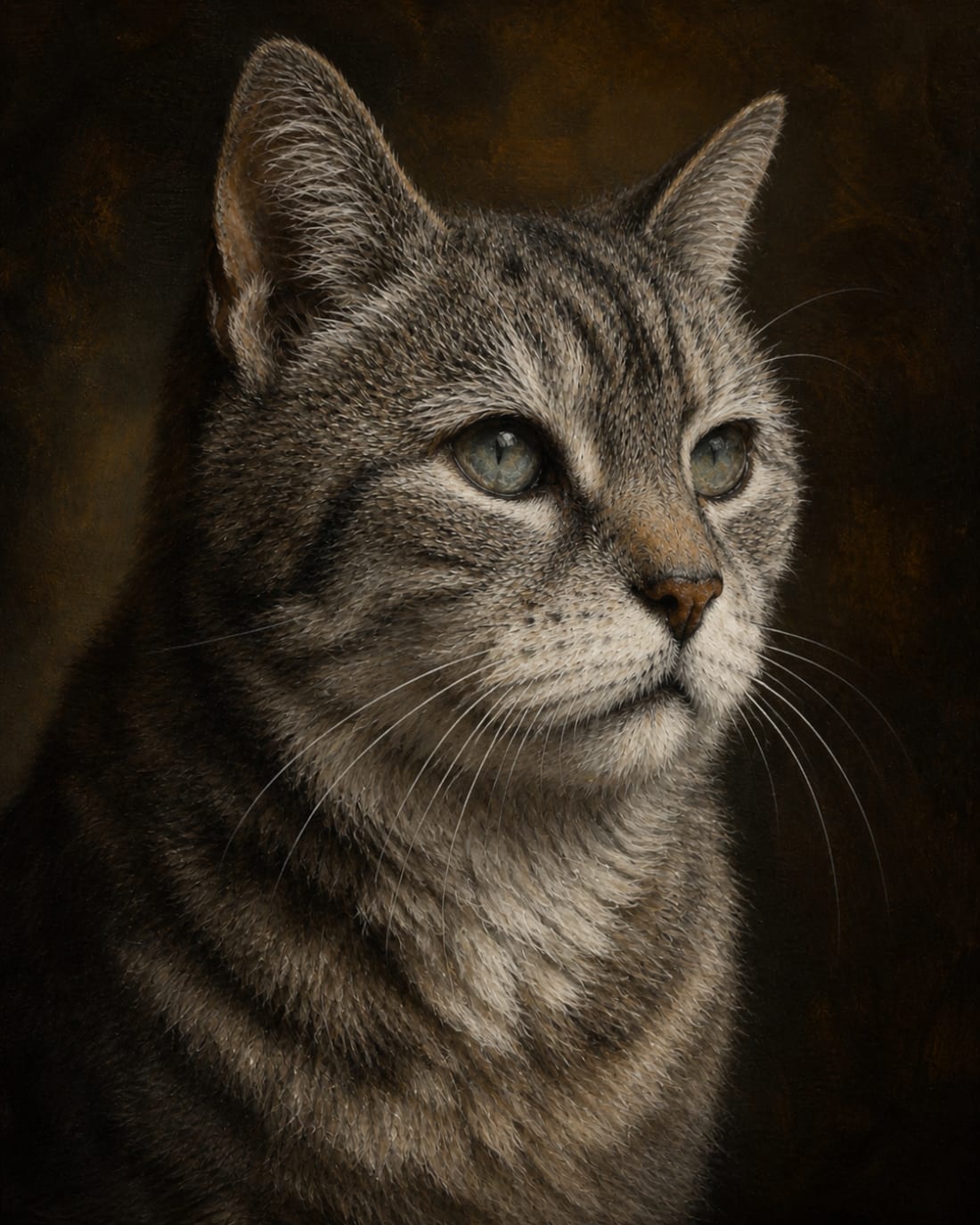
Plate III.i. Classical Cat Oil Painting. The foundation. The style that started the tradition.
Classical Cat Oil Painting.
The foundation. The style that started the tradition, and the one that holds up longest on a wall.
The visual grammar here is Old Masters: warm palette pulled from browns and golds and muted greens, soft directional light from the upper left, a dark studio ground that serves as a natural vignette, the subject foregrounded and given room. The cat looks like a subject who has been considered. Not decorated — considered. There is a difference, and you will feel it in the rendering.
Oil painting in this tradition works for almost any cat, but it is particularly suited to cats who possess some native stillness — the cat who finds a position and keeps it, who watches from a settled place, who carries herself without apparent effort. It is also the default for memorial portraits, for reasons that do not need to be stated.
The classical oil hangs in a study, a living room with dark walls, a bedroom that has been thought about. It frames in gilt, or in walnut, or in black with a wide mat. It does not age poorly.
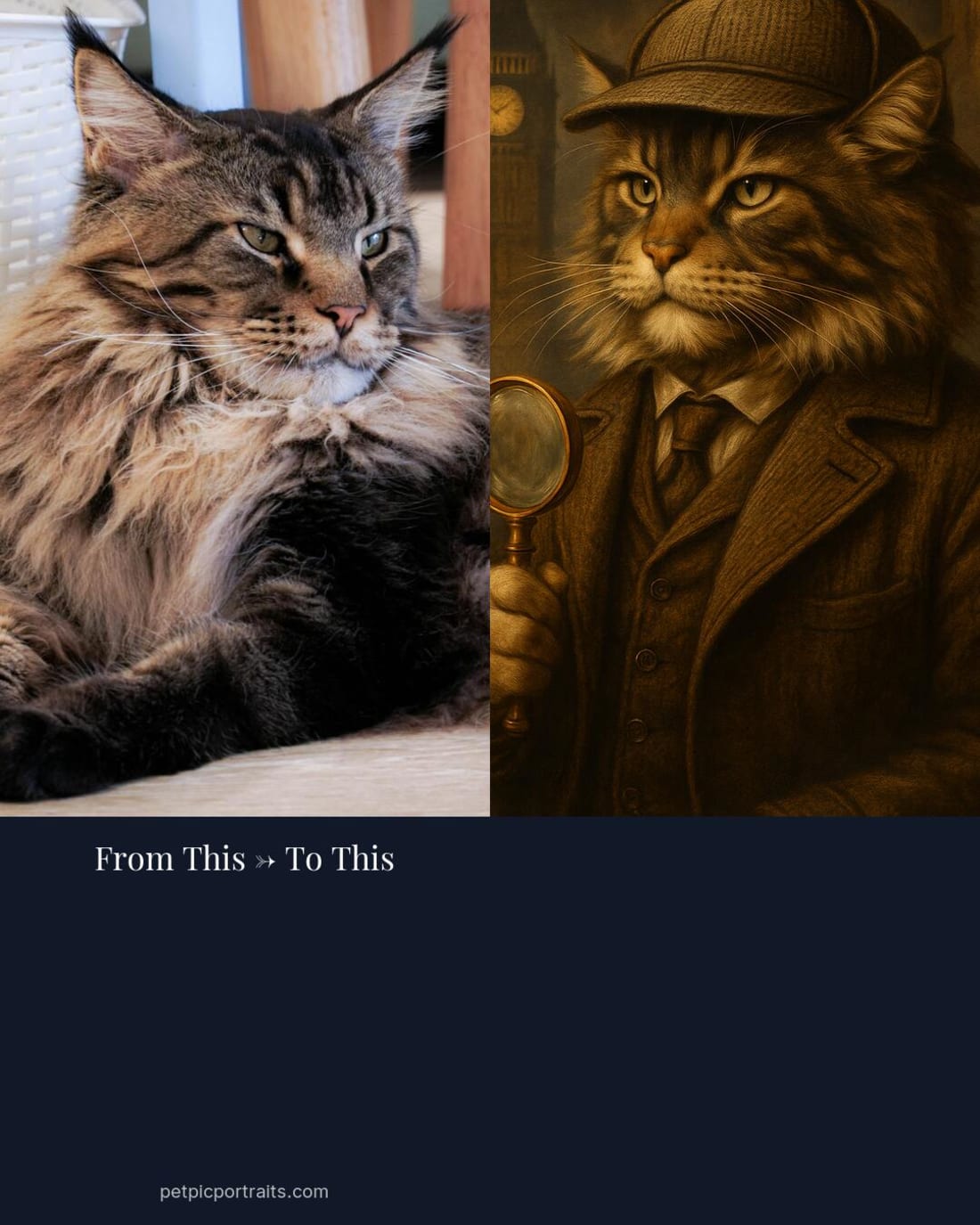
Plate III.ii. Renaissance Cat Painting. A portrait of consequence.
Renaissance Cat Painting.
The renaissance cat painting has become its own genre — and for good reason.
The Renaissance tradition lengthens the register slightly from classical oil: more formal, higher contrast, slightly more architectural in its composition. The figure is lit as if the painter had one window and used it with intention. The background darkens completely to near-black. The cat becomes, unmistakably, a portrait subject in the sense that Flemish and Italian painters meant it — a person of consequence, depicted because the world would be poorer without the documentation.
This is the right style for a composed cat. Not stiff — composed. The cat who arrives in a room and assesses it before settling. The tabby who has an opinion about which chair is hers. The older cat who has reached the stage of her life where patience reads as dignity. A black cat renaissance painting in this register is particularly striking — the deep background and the sharp, warm light on black fur produces contrast that looks deliberate in the way very good paintings look deliberate.
Renaissance hangs well in dining rooms, entryways, rooms where a portrait on the wall makes sense before you even ask what the subject is. Large format, wide mat, gilt or dark wood frame. It is not a quiet portrait.
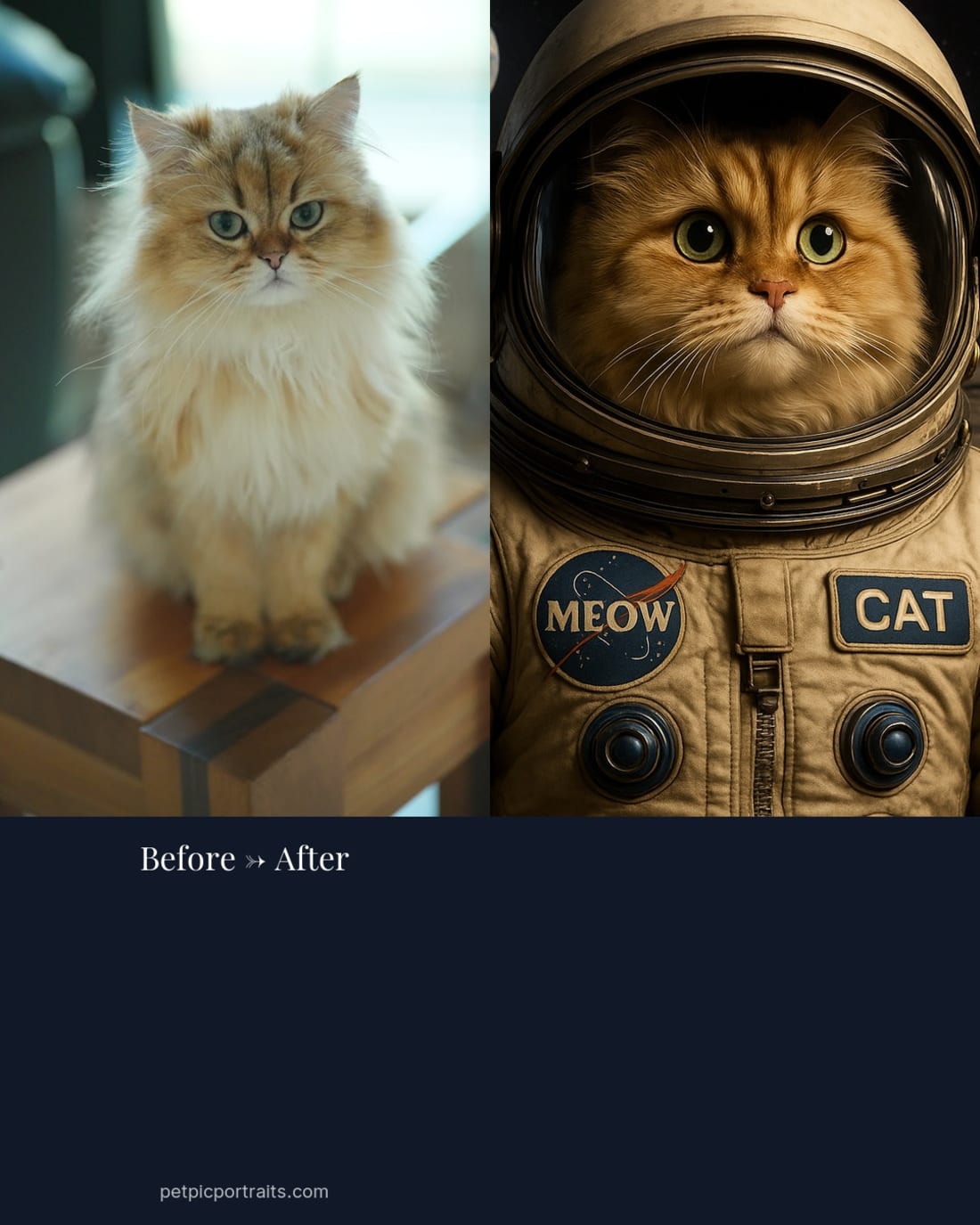
Plate III.iii. Watercolor Cat Portrait. It lets the light through.
Watercolor Cat Portrait.
The watercolor cat portrait does something the oil traditions do not: it lets the light through.
Where oil painting is built from layers of opacity — color stacked until it holds — watercolor works the other way. The pigment floats in washes of near-transparent color; the white of the paper shows through; the edges of the subject soften into suggestion rather than hard line. The result is atmospheric in a way oil is not. It reads, in a frame on a wall, as something between a painting and a memory.
This is the style for cats who carry a softness — in coloring, in manner, or both. A cream cat. A blue-grey cat. A black cat watercolor painting in which the black is actually three different blues and a dark violet, and the white patch on the chest dissolves at its edges into the surrounding wash. Calicos render beautifully here, the three colors bleeding softly into one another rather than sitting in hard sections.
Watercolor is also the style for bright rooms. Natural light, white walls, Scandinavian or coastal interiors — the warm dark of oil painting will fight this environment; watercolor belongs in it. Simple white or light wood frame, minimal mat, hung where the light comes in from the side. It looks best when it is not trying to be a formal painting.
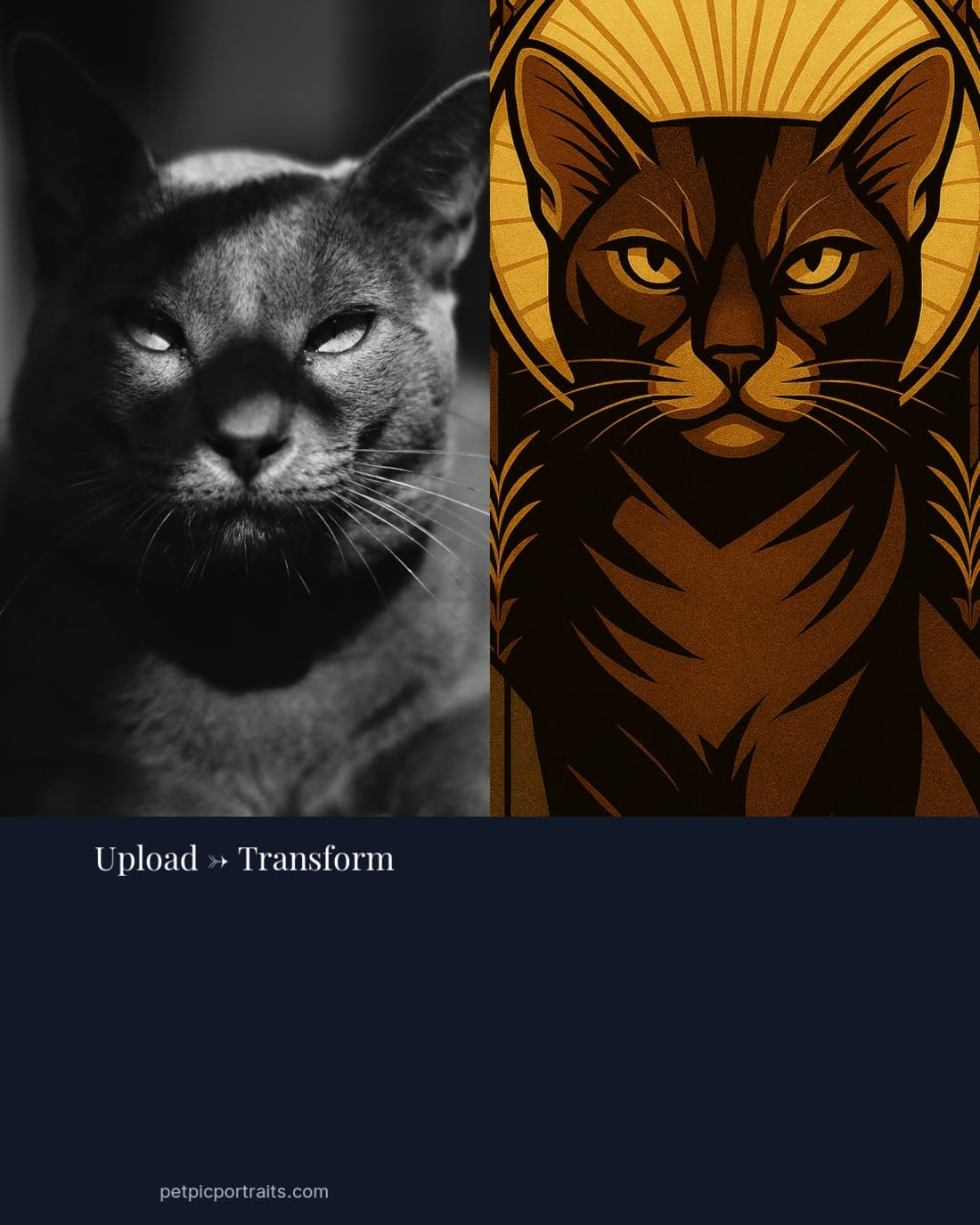
Plate III.iv. Art Deco Cat Portrait. The cat as design object.
Art Deco Cat Portrait.
The art deco cat portrait is the style for the cat who is, functionally, a design object.
The Art Deco register draws from the visual language of the twenties and thirties — geometric framing, strong horizontal and vertical structure, a limited palette of two or three carefully chosen colors, flat fields rather than tonal gradient, gold or black or both as structural elements. The composition is not soft. It is considered. Exact. The cat is rendered not as a subject caught in light but as a figure resolved into shape — which is to say, as an icon.
Russian Blues and Siamese photograph particularly well into this style; the strong facial geometry of those breeds translates into the angular resolution of the Art Deco frame without strain. An art deco cat with a narrow face and a level gaze looks, in this register, exactly as authoritative as it should.
The Art Deco portrait belongs in the kind of apartment that has a bar cart and knows it. Good mid-century furniture, a neutral palette with one or two committed accent colors, walls that have been painted with intention. Black metal frame, no mat, or a very thin mat in cream or gold. It should look like a poster that took itself seriously — because it did.
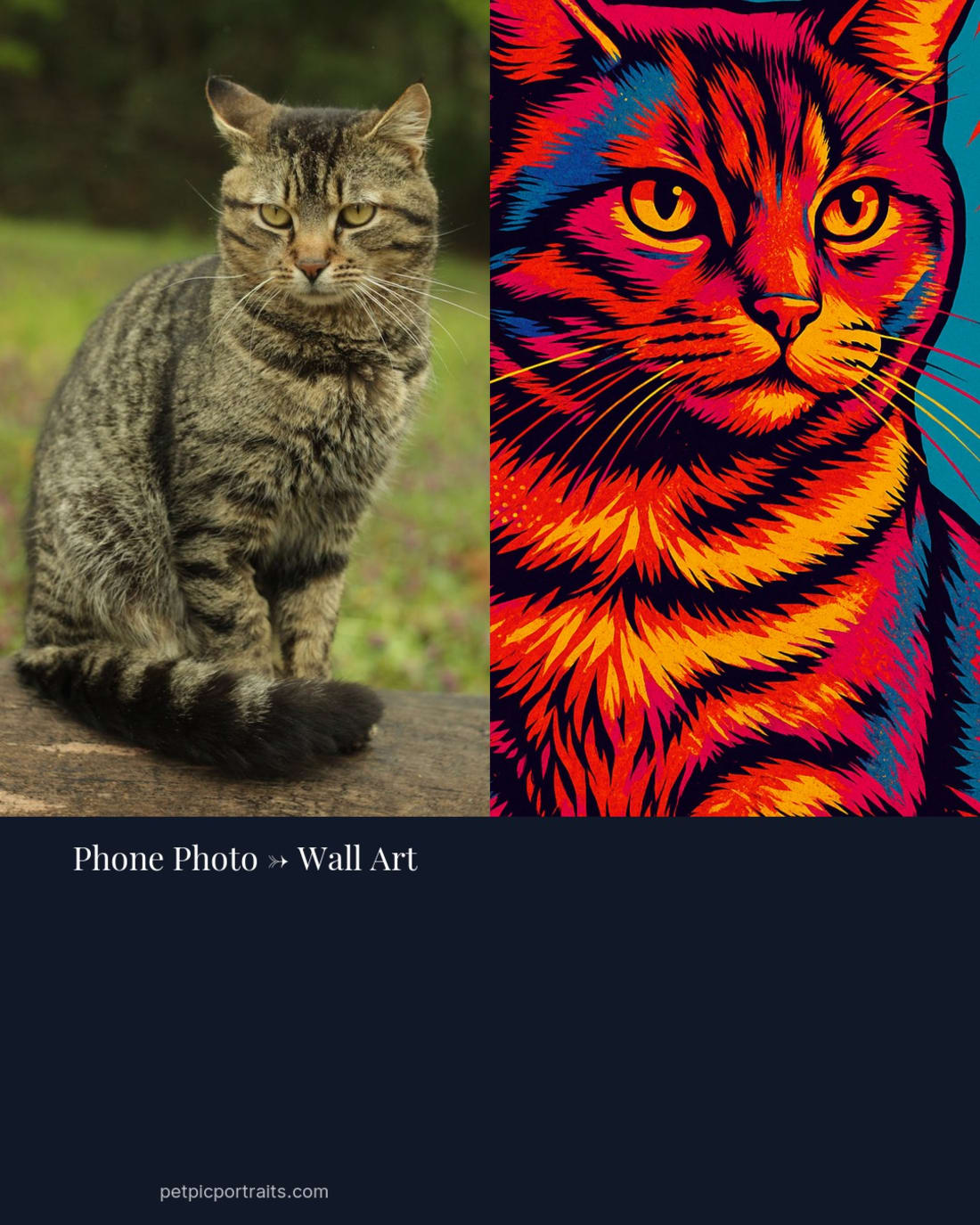
Plate III.v. Pop Art Cat Portrait. Already famous in your household.
Pop Art Cat Portrait.
Pop Art is the style for the cat who is, frankly, already famous in your household and simply requires documentation.
The visual grammar is Warhol-adjacent: flat saturated color, bold outline, a compositional confidence that treats the subject as cultural artifact rather than private individual. The cat is not depicted as she appears in light — she is depicted as she appears on a poster, on a t-shirt, on the wall of somewhere with very good taste. The likeness is present; the register is different. Pop Art says: of course this cat is iconic. Here is the proof.
This is a less formal style, and that is precisely its point. It works for the cat who has a personality larger than her square footage, who supervises everything, who has a fan base of at least three people including at least one person who met her once and has never forgotten it. It works for gifts — for the cat mom who has not yet commissioned a portrait of her own cat, for the household that needs something on the kitchen wall.
Bright rooms, eclectic interiors, walls that already have things on them — Pop Art fits. Thin black frame, no mat, or a colored mat that picks up one of the palette tones. Slightly oversized. It can hold the scale.
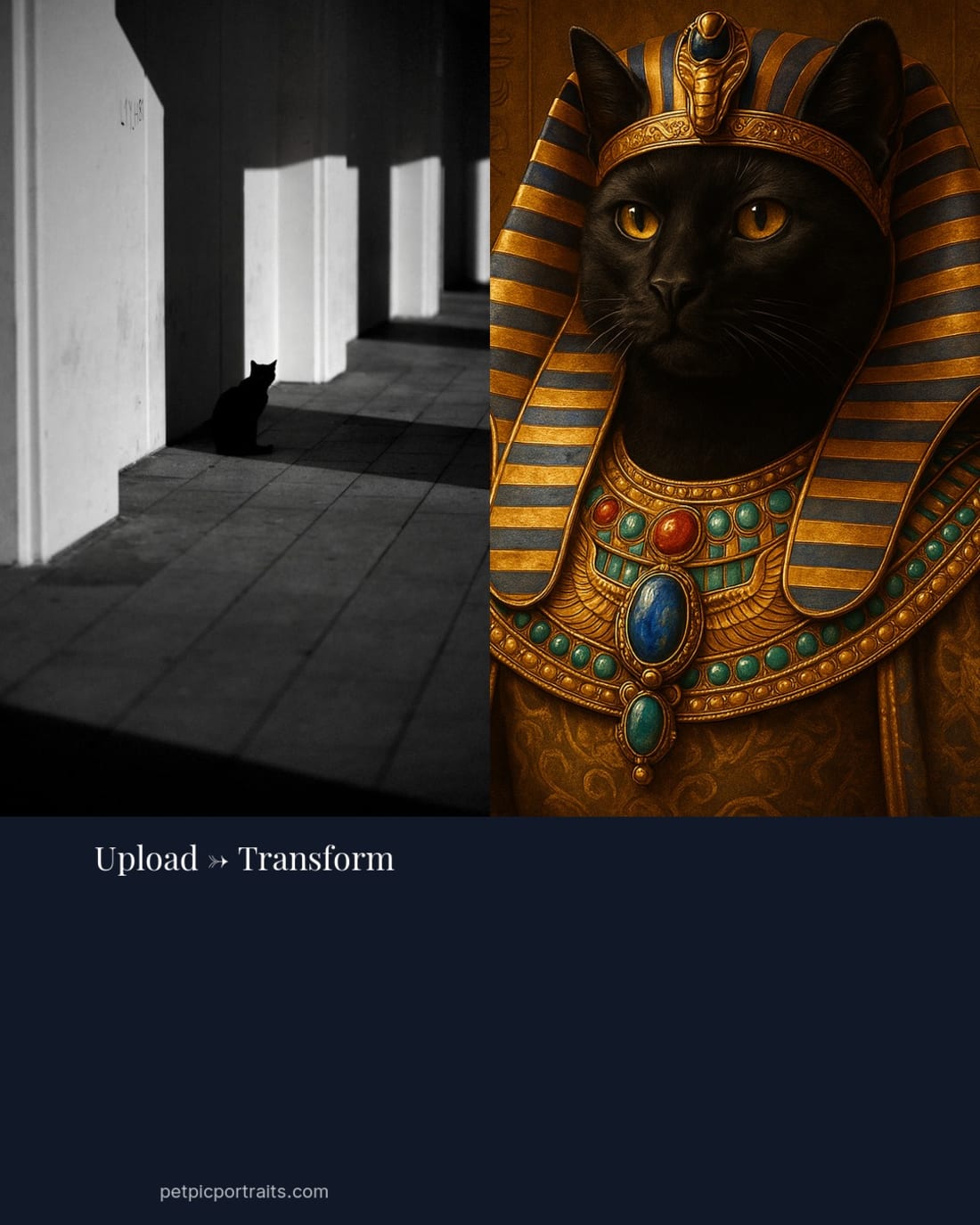
Plate III.vi. Pharaoh Cat Portrait. The Egyptians understood first.
Pharaoh Cat Portrait.
The ancient Egyptians were the first to understand the cat correctly.
The Pharaoh style draws from that understanding: bas-relief coloring, gold and black as structural colors, the elongated compositional geometry of Egyptian dynastic art, and a stillness in the figure that does not read as calm but as authority. The cat is not relaxed in this portrait. The cat is present — which, in the Egyptian tradition, was the same thing as sacred.
Black cats are the natural subject for this style. A black cat rendered in the Pharaoh register, with gold detail and the dark warm ground of dynastic painting behind her, looks not like a pet portrait but like a document from a prior civilization that happened to know what it was doing. If you have a black cat with a level gaze who has never once in her life seemed uncertain — this is the style. She already knows.
Non-black cats carry this style as well — cream and orange cats in the Pharaoh register read as temple cats, as ritual figures, which they may in fact be. The key is a cat who carries some native gravity. The style amplifies what is already there; it does not manufacture it.
Dark frame, minimal mat, hung somewhere it can be seen properly. A hallway, at eye level, where someone will stop and look.
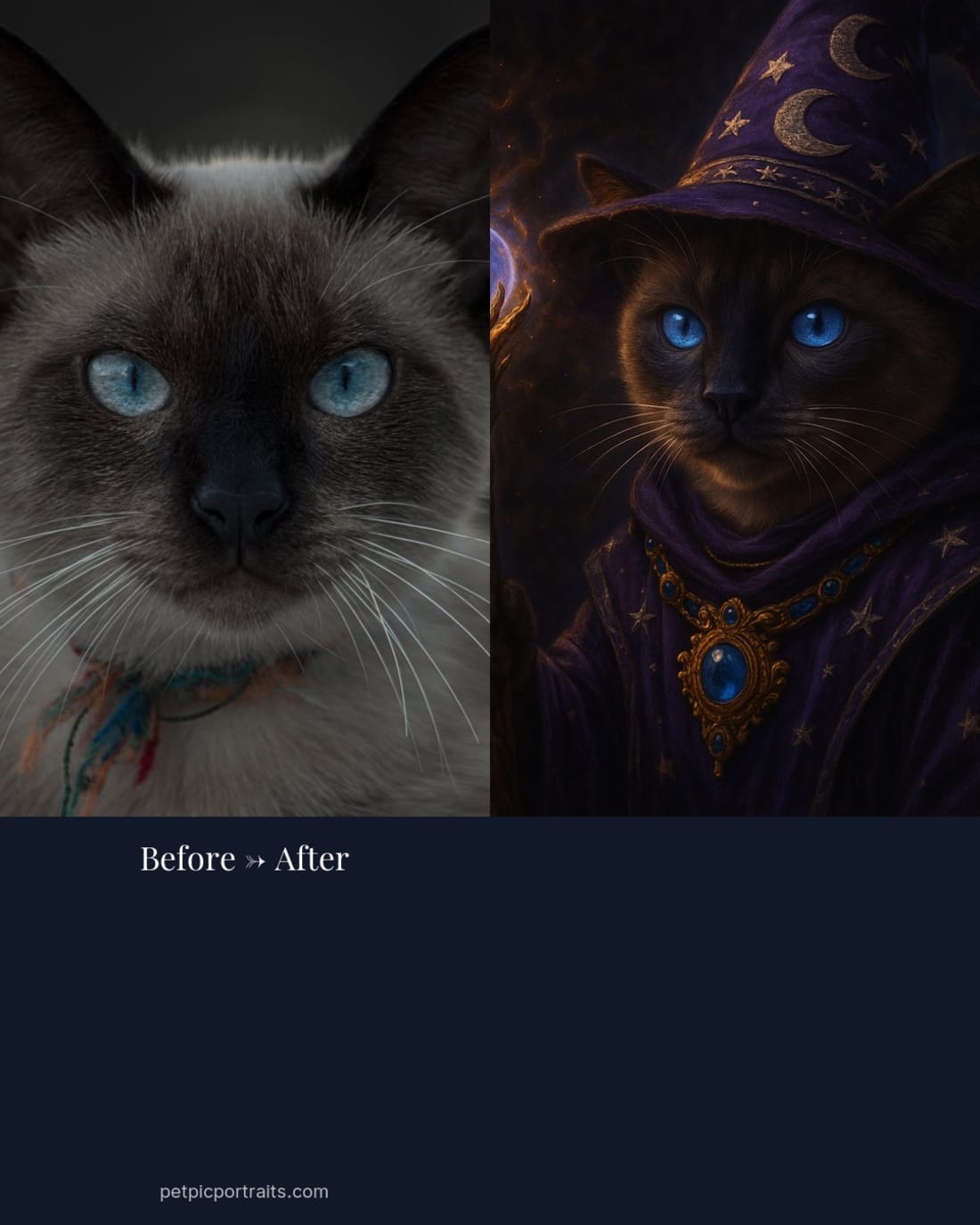
Plate III.vii. Wizard Cat Portrait. For the cat in possession of secret knowledge.
Wizard Cat Portrait.
For the cat who is, evidently, in possession of information she has chosen not to share.
The Wizard style renders the cat in the visual language of fantasy illustration — robes, a staff, dramatic atmospheric lighting (moonlight, torchlight, or something indeterminate and intentional), a background that suggests a world of some complexity. The cat, in this register, is not a pet. She is a practitioner of something. You are not entirely sure what. You have chosen not to ask.
This style is for the cat who stares at a fixed point in the room for extended periods. The cat who enters a space and immediately communicates that she was here before you and will be here after. The cat who disappeared for three days once and returned with no explanation and has never been pressed for one. The Wizard portrait is not ironic — it is simply accurate.
It is also, it must be said, extremely fun. And it is a portrait that generates conversation. Guests will stop in front of it. They will look at the cat in the room, and then back at the portrait, and they will understand something they did not understand before.
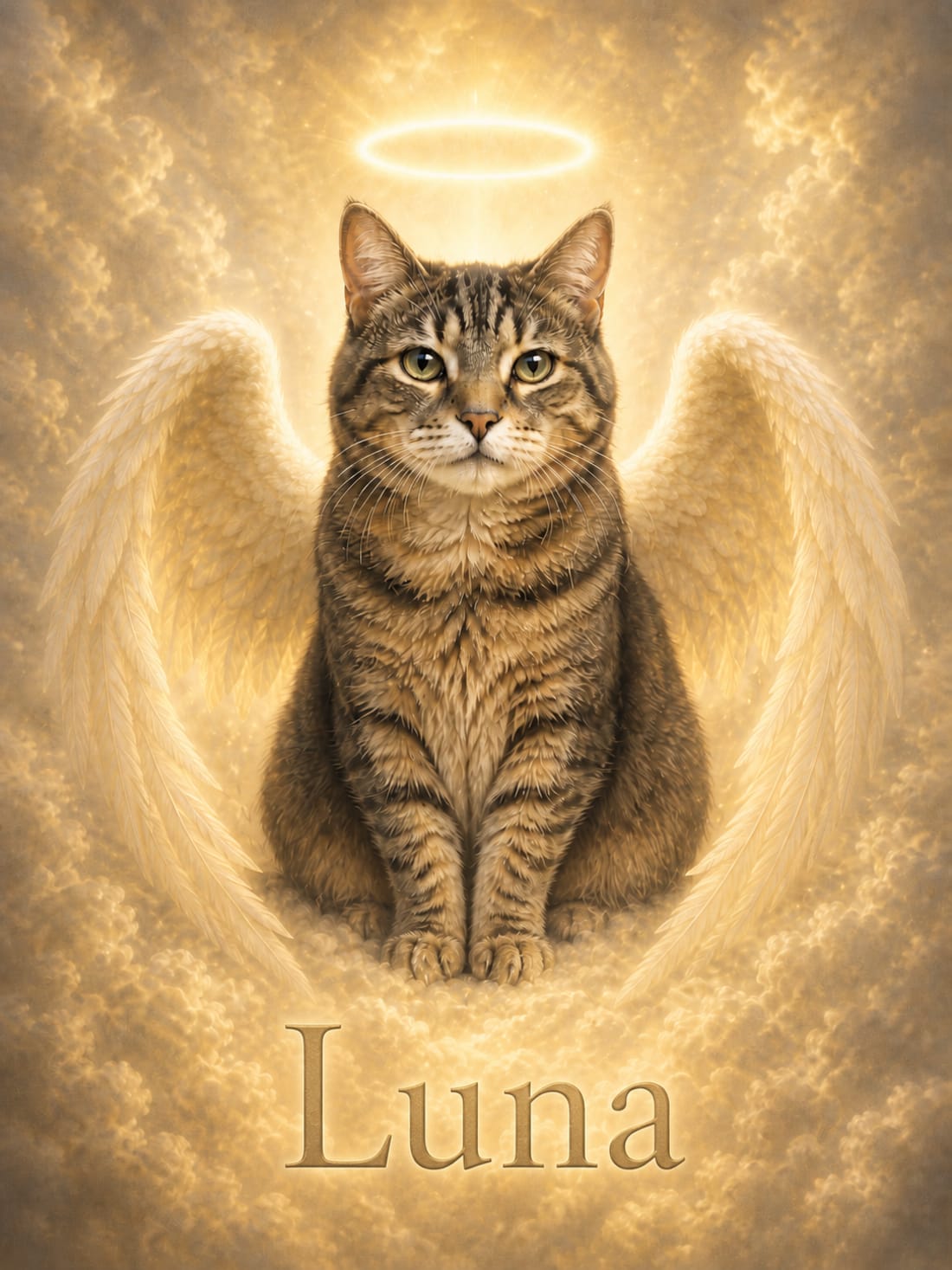
Plate III.viii. Angel Cat Portrait. Halo, soft wings, her name in gold.
Angel Cat Portrait.
Light, soft, and the appropriate register for a cat who is very good.
The Angel style renders the cat with a halo above her, soft wings rising at her sides, and the warm golden clouds of a heavenly background — with the name you knew her by set in serif gold beneath. The light is diffused, the shadows are soft, the register is benevolence rather than authority. It is gentle, and warm, and very still in the way that only certain cats and certain paintings are.
This style works for cats who are quiet. Who have been, all their lives, simply good — present, warm, easy in a room. It works for elderly cats, for cats who have recently passed, for the cat who never needed to assert herself because she simply was, always, the one you went to. If you have a cat like that, you will know this style immediately when you see it.
The Angel portrait belongs on a nightstand shelf, or a bedroom wall, or anywhere in the house that is quiet and receives light in the mornings. White frame, or natural wood. Simple mat in white or cream. It should not compete with the room; it should rest in it.
For a longer editorial on memorial portraits — including how Mercy reviews them differently — see Memorial Cat Portrait.
Plate IV — Mercy on Choosing
"You'll know when you see it."
Mercy reviews every portrait before it ships. She has seen cats in every style in the library, across the full catalog of commissions, and is the person most often asked which style to pick — by buyers paralyzed at preview, who have rendered their cat in five styles and cannot commit. Her advice does not change.
"Pick the one where she looks the most like herself. The cat will tell you which one. You'll know when you see it — you'll look at the preview and think, yes. That's her. Trust that."
— Mercy
Plate V — On Pricing Across Styles
The style is not the variable.
Classical oil and Pop Art are priced the same. Pharaoh and Watercolor are priced the same. Renaissance and Angel are priced the same. The style is not the variable.
What determines the price of a framed cat portrait is size, mat selection, frame collection, and glazing. Most framed configurations land between $200 and $500. Premium configurations — larger work, ornate frame, UV-filtering glazing — run to roughly $1,400. The high-resolution digital file alone is available from $37, for those who work with their own framer or simply want the image on its own terms.
The style you choose says something about your cat. It does not say anything about your budget.
Common Questions
How do I know which style is right for my cat? +
Can I preview my cat in different styles before I commit? +
Is one style harder to get right than others? +
Are all the styles available for any cat? +
What if I want a style that isn't listed here? +
Is the pricing really the same across every style? +
In Closing
The cat does not change between portraits.
The register changes — and the register changes what the portrait is for, what room it belongs in, what it carries across years. Choose the one that fits the cat you have, in the room she lives in, for the reason you are making this portrait. Every style is made the same way, reviewed with the same care, printed on the same archival paper.
Of her. For her.
Or, the digital file alone, from $37.
Return to the main editorial · or read on Memorial Cat Portrait.